



Propietary
R&D

Developing highly selective antibodies against pathological Aβ1-42 dimers

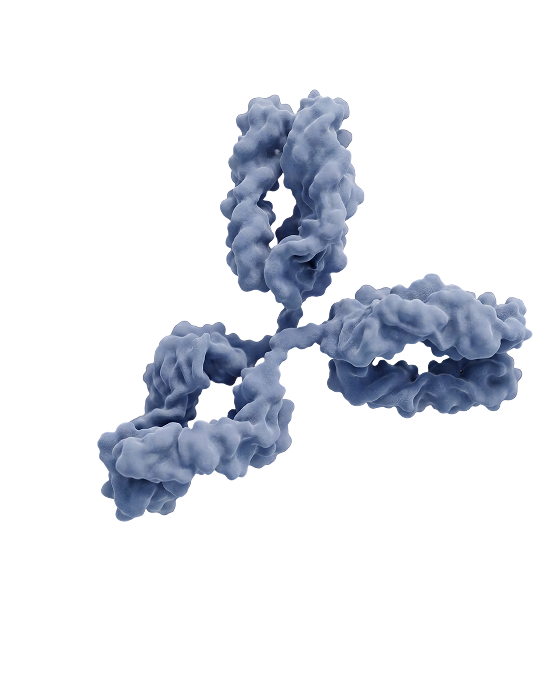
BioClonal is advancing a proprietary antibody program focused on the selective recognition of toxic Aβ1-42 dimer conformations associated with Alzheimer’s disease. Our goal is to enable more precise diagnostic and therapeutic approaches by targeting disease-relevant species that remain difficult to address using conventional methods.

Our Approach.

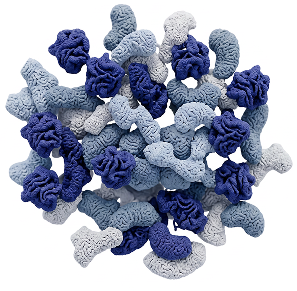
Our focus is on the pathological forms of Amyloid beta, particularly dimeric species of Aβ1-42, recognized as key drivers of neurotoxicity and early disease progression.

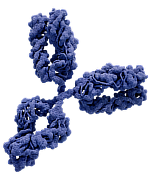
Using our proprietary Superimmunogen design technology, we aim to generate highly selective antibodies capable of recognizing pathological Aβ1-42 dimer conformations while minimizing interaction with physiological amyloid species.
This approach may support future diagnostic tools, biomarker detection assays and therapeutic development programs.

Precision Targeting
in Alzheimer’s Disease

BIOCLONAL EXPERTISE

Generic amyloid clearance is often inefficient. BioClonal isolates and targets the specific conformational modifications of Aβ1-42 dimers—the true neurotoxic drivers of pathology.

INEFFICIENT TARGET

BULK PLAQUE

VS

INEFFICIENT TARGET

BULK PLAQUE

Generic
Anti-Amyloid

BioClonal
Conformational mAbs

TARGET

Bulk Plaque & Monomers

Toxic Aβ1-42 Dimer

Mechanism

Broad Clearance

Precision Neutralization

SAFETY

High ARIA Risk

Minimized Off-Target Binding

We believe this strategy
opens the door to:

Earlier and more precise detection of the disease 

Highly selective therapeutic interventions 

First-in-class opportunities in a multi-billion-dollar market 

Development
roadmap

Target Selection
 & Characterization

Identification and validation of pathological Aβ1-42 dimer conformations.

Proprietary 
Immunogen Design


Development of disease-relevant Superimmunogens optimized for selective immune recognition.

Antibody Discovery

Generation and screening of monoclonal antibody candidates.

Functional Validation

Assessment of specificity, selectivity and application potential.

Translational 
Development

Evaluation of diagnostic and therapeutic opportunities.

Why Aβ1-42 Dimers?

Early Pathology Aβ1-42 dimers appear early in disease progression and may contribute to neurotoxicity before extensive plaque deposition occurs.


High Specificity

Opportunity

Selective recognition of pathological conformations may improve both diagnostic precision and therapeutic targeting.

Challenging Target

Transient conformational structures are difficult to stabilize and often inaccessible through conventional antibody discovery approaches.

Strategic Avenues
for Engagement

We are actively seeking partnerships with pharmaceutical and biotechnology companies interested in advancing innovative approaches in Alzheimer’s disease, as well as collaborators for co-development and clinical validation.


Accelerate your research with our curated selection of high-precision antibodies. Validated for specific Alzheimer’s disease epitopes and available for immediate global delivery.

GO TO FULL CATALOG →

Ready-to-Ship Alzheimer’s
Antibody Catalog

Anti-Aβ1-42 Dimer

High-affinity monoclonal antibody specifically targeting neurotoxic dimeric species of Amyloid Beta.

DETAILS 🡢

Anti-Aβ1-42 Dimer

DETAILS 🡢

Anti-Aβ1-42 Dimer

DETAILS 🡢

EXPLORE CATALOG

Interested in our
Alzheimer’s research?

We welcome scientific, strategic and
development partnerships.

LET'S TALK

TechnicalFAQs

 Why does BioClonal focus on Aβ1-42 dimers?

Aβ1-42 dimers are believed to represent one of the earliest and most neurotoxic aggregated species involved in Alzheimer’s disease pathology. Unlike mature amyloid plaques, these soluble assemblies may contribute directly to synaptic dysfunction and neurodegeneration. BioClonal’s research focuses on generating antibodies capable of selectively recognizing pathological Aβ1-42 dimer conformations.

How are Aβ1-42 dimers different from amyloid plaques?

Amyloid plaques are large extracellular deposits composed of aggregated amyloid beta proteins. In contrast, Aβ1-42 dimers are small soluble aggregates that appear much earlier in the disease process and may play a critical role in neuronal toxicity. Targeting these early pathological species could offer advantages for both diagnosis and therapeutic intervention.

How is BioClonal approaching antibody development against Aβ1-42 dimers?

BioClonal is developing proprietary immunogen design strategies intended to present disease-relevant conformations of Aβ1-42 dimers to the immune system. The objective is to generate antibodies capable of selectively recognizing pathological dimeric species while minimizing reactivity against monomeric amyloid beta.

How is BioClonal approaching antibody development against Aβ1-42 dimers?

BioClonal is developing proprietary immunogen design strategies intended to present disease-relevant conformations of Aβ1-42 dimers to the immune system. The objective is to generate antibodies capable of selectively recognizing pathological dimeric species while minimizing reactivity against monomeric amyloid beta.